
Polycythemia Vera (PV) Education | Blood Cancer
Understanding Polycythemia Vera (PV)
About Polycythemia Vera (PV)
Polycythemia vera (PV) is a chronic blood cancer characterized by the overproduction of red blood cells (erythrocytosis) in the bone marrow. People can experience burdensome polycythemia vera symptoms such as:
- Fatigue
- Problems with concentration (brain fog)
- Itching (pruritus)
- Headaches
- Weakness
- Dizziness or balance issues
- Visual changes
- Night sweats
Not every patient will experience the same set or severity of symptoms.
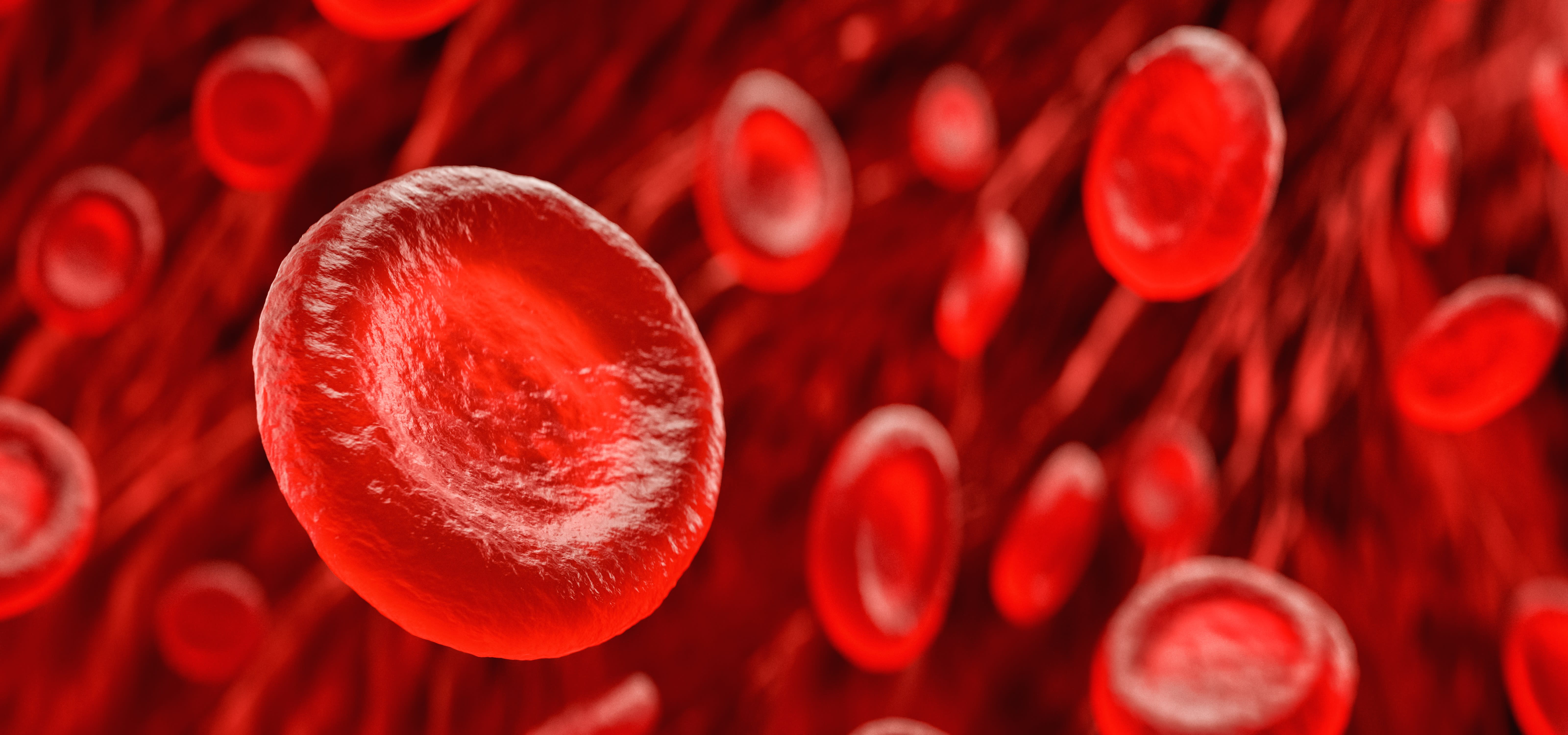
When hematocrit, or the ratio of red blood cells to the total amount of blood in the body, is elevated, the excess of red blood cells increases blood viscosity, or thickness, and can result in serious cardiovascular and thrombotic events such as stroke, deep vein thrombosis (DVT) and pulmonary embolism.1,2,3,4
More About PV:
- The median age at diagnosis is 60 years.1
- PV affects approximately 90,000 people in the United States and over 126,000 people across Europe.*1,5
Living with Polycythemia Vera: Patti’s Story
For Patti, polycythemia vera began long before she had a name for it. She always considered herself healthy, so her symptoms of fatigue, itchy skin (pruritus), insomnia, numbness and tingling went unrecognized as signs of PV for a long time. It wasn’t until an annual checkup revealed abnormal platelet levels that she finally received her PV diagnosis.
Watch Patti’s story to learn what it’s really like to live with PV, as well as her perspective on the importance of advocating for yourself.
A Shared Commitment to Advancing the Future of PV Care
In a conversation between Teresa Bitetti, President of Takeda’s Global Oncology Business Unit, and Kapila Viges, CEO of the MPN Research Foundation, the realities of living with PV come into sharper focus. Their discussion highlights a shared commitment to advancing care for those affected by this chronic blood cancer.
“[A] characteristic of polycythemia vera, is this notion of ‘you don't look sick.’ You can really live what seemingly on the surface is a relatively normal life and have these symptoms that…people around you…they may not realize or even see any indication that you have a blood cancer.” Kapila Viges, CEO, Myeloproliferative Neoplasm (MPN) Research Foundation

A persistent challenge with PV is that its impact may not always be visible to others. Because symptoms and burden are not always obvious, some patients may feel misunderstood, and the urgency of their needs may be overlooked.
Watch the full conversation to hear more about the physical and emotional burden many people with PV experience.
“There is so much learning to be had from listening to patients and it's never a one and done thing. It is a continuum because...at different points in time the insights are different.” Teresa Bitetti, President, Global Oncology Business Unit, Takeda
Bringing together patients, advocacy organizations and the scientific community can help raise awareness, deepen understanding and advance care for people living with PV over time. Expanding research and treatment options remains critical to improving outcomes in PV, especially as the needs of patients and their families continue to evolve.
“Options matter to patients, options matter to clinicians. So, the more options we have, the better we can monitor and manage over the full course of their lives.” Kapila Viges, CEO, Myeloproliferative Neoplasm (MPN) Research Foundation
For patients, the effects of PV can be disruptive and persistent. Symptoms such as fatigue or itching are not only physical – they can affect every day tasks at work and at home.
“Listening to patient stories, they talk about an exhaustion level that even precludes them from getting out of bed sometimes. Calling it ‘fatigue’ just seems like the wrong word because it’s not like your general tiredness – its far more extreme and debilitating.” Teresa Bitetti, President, Global Oncology Business Unit, Takeda

Hematocrit and Disease Management
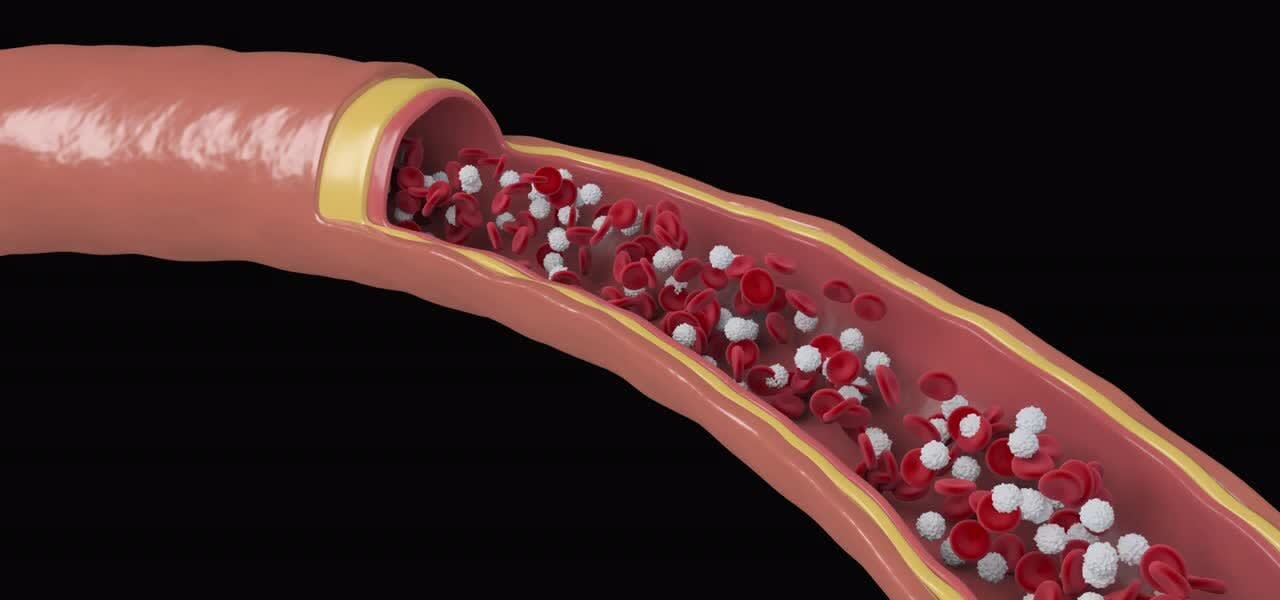
In PV, the key treatment goal is to achieve and maintain a hematocrit level below 45%. Hematocrit is the ratio of red blood cells to the total amount of blood in the body.6
Controlled hematocrit can reduce the risk of clotting events and alleviate symptoms.6 Without controlled hematocrit, patients can have serious consequences, including:
- A 4x higher risk of cardiovascular death or major cardiovascular events.2
- High symptom burden.2
Common approaches to reduce hematocrit include phlebotomy (removal of blood from the body) and medications designed to lower red blood cell counts.7
Current HCT Treatment Approaches
Despite available treatment strategies:
Up to 78% of patients in real-world studies still experience uncontrolled hematocrit with standard of care, putting them at continued higher risk of cardiovascular and thrombotic events, as well as high symptom burden.7
Phlebotomy may help reduce hematocrit, but could also:
- Contribute to iron deficiency.
- Cause or worsen symptoms such as dizziness, headaches, weakness or visual disturbances.
- Lead to a burden on patients’ quality of life.8,9
Frequently Asked Questions (FAQ)
Polycythemia vera (PV) is a chronic blood cancer characterized by the overproduction of red blood cells (erythrocytosis). This can lead to thicker blood and an increased risk of life-threatening thrombotic events including stroke, deep vein thrombosis (DVT) and pulmonary embolism.1
A PV diagnosis uses blood tests and may include bone marrow evaluation and mutation testing.1
PV most often affects individuals over the age of 60, although it can occur at younger ages. Both men and women can develop PV.1
If not managed, patients with PV experiencing uncontrolled hematocrit have a four times higher risk of cardiovascular death or major cardiovascular events.2
Regular blood tests and physician follow-ups are important to check hematocrit levels, track symptoms and monitor disease progression.
The current standard of care approach for PV includes phlebotomy and cytoreductive treatments. With standard of care, an estimated 78% of patients still experience uncontrolled hematocrit levels, putting them at a four times higher risk of cardiovascular death or major cardiovascular events.2,7
Note: These FAQs are for educational purposes only and do not substitute medical advice. Patients should always consult their healthcare provider.
Additional Resources
- Lu X, Chang R. Polycythemia Vera. [Updated 2023 Apr 24]. In: StatPearls [Internet]. Treasure Island (FL): StatPearls Publishing; 2025 Jan-. Available from: https://www.ncbi.nlm.nih.gov/books/NBK557660/
- Marchioli R, et al. Cardiovascular events and intensity of treatment in polycythemia vera. N Engl J Med 2013;368:22:33
- Kaifie A, et al. J Hematol Oncol 2016;9:18.
- Polycythemia vera: the natural history of 1213 patients followed for 20 years. Gruppo Italiano Studio Policitemia. Ann Intern Med 1995;123(9):656-664.
- Al-Ali HK, Martel S, Sawicki C, Yang M, Lally C, Barrera C, Flanders WD, Guglielmelli P. Estimated Prevalence of Polycythemia Vera in Europe: 2025–2030. Oral presentation at: European Hematology Association Congress, May 12, 2026. EHA Library. Presentation ID PB3449. Abstract 4209999.
- Barbui T, et al. Leukemia 2018; 32(5), 1057-1069.
- Verstovsek S, et al. Real-world treatments and thrombotic events in polycythemia vera patients in the USA. Ann Hematol2023;102:571-581
- Mesa R, et al. BMC Cancer. 2016;16,167.
- Ginzburg et al. Leukemia 2018;32:2105-2116.